



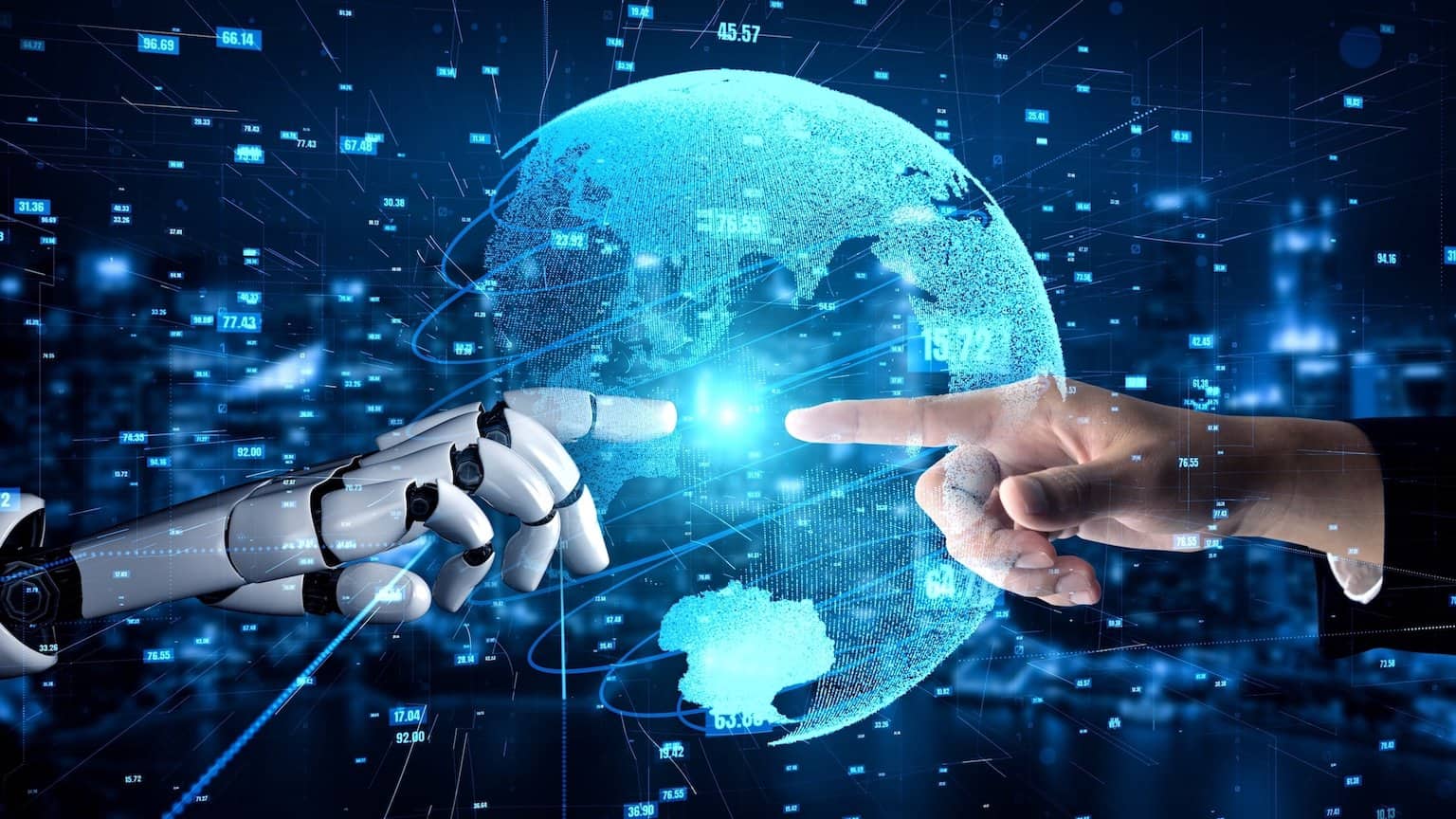
Artificial intelligence (AI) is rapidly transforming the landscape of global governance and political decision-making. Governments and international organizations are increasingly leveraging AI to analyze complex datasets, predict geopolitical trends, and optimize policy strategies. From monitoring economic developments to addressing climate change, pandemics, and security threats, AI provides leaders with tools to make informed, timely decisions. Its integration into political and governance frameworks enhances efficiency, accountability, and strategic foresight, while simultaneously introducing challenges related to ethics, transparency, and equitable access. Understanding the potential and limitations of AI is critical for fostering responsible governance and ensuring that technological innovation strengthens democratic institutions worldwide.
AI in Policy Forecasting
AI-powered forecasting tools allow policymakers to simulate the outcomes of proposed initiatives, analyze historical data, and evaluate potential impacts across economic, social, and environmental domains. Predictive analytics helps governments prioritize policies, allocate resources efficiently, and anticipate risks before they escalate.
Despite the advantages, AI models are not infallible. Biased or incomplete datasets can lead to inaccurate predictions, and human behavior or political dynamics may be oversimplified. Combining AI insights with expert judgment, cultural understanding, and ethical oversight ensures that policy decisions are effective, equitable, and socially responsible.
AI in Political Strategy
AI is increasingly used in political campaigns and governance strategies to analyze voter behavior, assess public sentiment, and optimize messaging. Machine learning algorithms examine social media interactions, demographic data, and engagement trends to identify what resonates with different groups, enabling leaders to engage constituents effectively.
While AI improves efficiency, ethical concerns arise regarding data privacy, manipulation, and algorithmic bias. Transparency, accountability, and adherence to ethical standards are essential to maintain public trust and ensure AI enhances democratic governance rather than undermining it.
AI in International Diplomacy
AI has become an important tool in global diplomacy, providing policymakers with real-time insights into geopolitical events, risk assessment, and negotiation strategy. Predictive modeling, natural language processing, and sentiment analysis help governments anticipate crises, evaluate diplomatic outcomes, and develop strategies for international cooperation.
However, overreliance on AI in diplomacy presents risks. Algorithmic outputs may fail to capture complex cultural and human factors, and unequal access to advanced technologies can create disparities between nations. Human oversight, cultural sensitivity, and ethical governance remain essential to ensure AI supports responsible international relations.
Ethical and Regulatory Challenges
The integration of AI into global policy raises significant ethical and regulatory issues. Algorithmic bias, lack of transparency, unequal access, and potential misuse of AI tools can erode trust in institutions and exacerbate inequalities. Decisions affecting millions require accountability, explainability, and ethical oversight to prevent unintended consequences.
International cooperation, governance frameworks, and adherence to ethical standards are crucial for responsible AI deployment. Ensuring transparency, human oversight, and equitable access promotes stability and strengthens democratic institutions globally.
AI in Crisis Management
AI is increasingly used to manage political, humanitarian, and environmental crises. Predictive modeling, real-time data analysis, and automated decision-support systems enable governments and NGOs to respond quickly, optimize resource allocation, and mitigate risks. From natural disasters and pandemics to political unrest, AI enhances situational awareness and operational efficiency.
Human judgment remains critical in crisis management. AI should complement rather than replace expertise to ensure interventions are contextually appropriate, ethically sound, and culturally sensitive. Integrating technological innovation with expert guidance and collaboration helps safeguard communities and maintain international stability.
FAQs
How is AI transforming global governance?
AI enhances policy analysis, predictive modeling, and strategic decision-making, allowing governments to respond efficiently to complex challenges.
Can AI improve political strategy and public engagement?
Yes, AI analyzes public sentiment, voter behavior, and engagement trends to optimize messaging and enhance decision-making in governance and campaigns.
What ethical concerns arise with AI in politics?
Concerns include algorithmic bias, data privacy issues, lack of transparency, unequal access, and potential manipulation of public perception.
How does AI support international diplomacy?
AI provides real-time insights, risk assessment, and predictive modeling to inform negotiations and guide proactive diplomatic strategies.
Is AI effective in crisis management?
Yes, AI facilitates rapid analysis, resource allocation, and informed decision-making, but human oversight ensures ethical, culturally sensitive, and contextually appropriate interventions.
Conclusion
AI is revolutionizing global governance by providing advanced tools for analysis, forecasting, diplomacy, and crisis management. Its integration enhances efficiency, strategic foresight, and the ability to address complex global challenges effectively.
Looking ahead, ethical responsibility, transparency, and equitable access will be crucial to ensure AI contributes positively to international policy and governance. By combining technological innovation with human judgment, accountability, and cross-cultural understanding, AI can help create a more informed, responsible, and stable global political landscape.

