



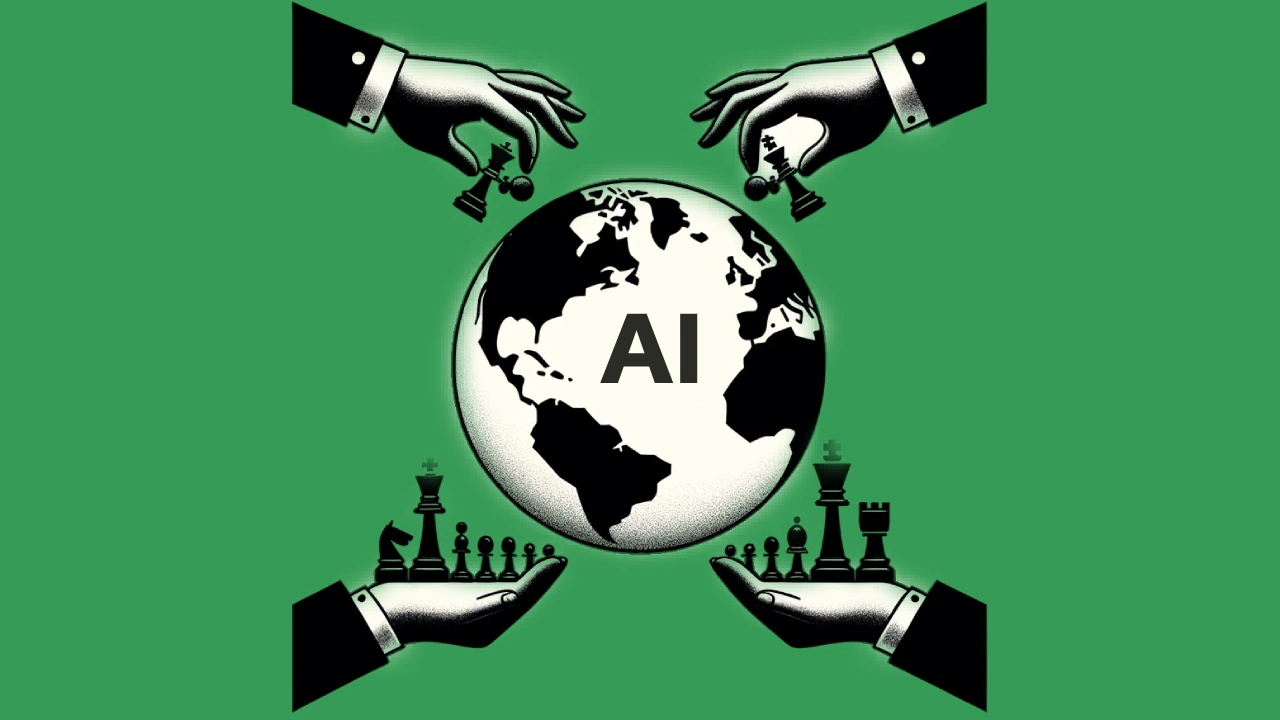
Artificial intelligence (AI) is increasingly playing a critical role in global security, influencing political strategies, defense operations, and international relations. Governments and multinational organizations leverage AI to analyze intelligence, monitor cybersecurity threats, and predict geopolitical developments. By processing vast datasets, AI systems provide insights that help leaders anticipate crises, allocate resources effectively, and make informed policy decisions. This integration of technology into political and security frameworks enhances operational efficiency and decision-making capabilities while introducing complex ethical, legal, and strategic challenges. Responsible deployment of AI is crucial to balance innovation with accountability, transparency, and the protection of human rights in a rapidly evolving global landscape.
AI in Cybersecurity and Defense
AI has become indispensable in cybersecurity, enabling real-time threat detection, automated responses, and the identification of vulnerabilities in critical infrastructure. Machine learning algorithms can detect unusual patterns, flag potential attacks, and support rapid intervention to mitigate risks. Governments are increasingly adopting AI-driven platforms to protect sensitive data, financial systems, and communication networks.
In defense operations, AI assists with resource allocation, strategic simulations, and predictive analysis of conflict scenarios. By modeling troop movements, supply chain logistics, and threat probabilities, military planners can optimize decision-making. Despite these advancements, reliance on AI presents risks, including potential algorithmic errors, system vulnerabilities, and ethical concerns regarding autonomous decision-making. Human oversight remains essential to ensure responsible and effective implementation.
AI in Geopolitical Risk Analysis
AI tools are extensively used to assess geopolitical risks, such as civil unrest, economic instability, and environmental crises. By integrating satellite imagery, intelligence reports, and open-source data, AI can identify emerging threats and provide actionable insights for policymakers. This predictive capability supports proactive diplomacy, crisis prevention, and strategic international planning.
However, AI-driven risk analysis is not infallible. Data limitations, algorithmic assumptions, and insufficient contextual understanding can lead to inaccurate predictions. Decision-makers must combine AI insights with expert judgment, cultural awareness, and on-the-ground intelligence to ensure robust and responsible policy actions.
AI in Political Decision-Making
Beyond operational security, AI influences political decision-making processes at both national and international levels. Governments use AI to analyze public sentiment, assess the impact of policy proposals, and optimize communication strategies. Social media analytics, sentiment tracking, and predictive models allow leaders to understand citizen concerns and adjust strategies in real time.
While AI enhances governance capabilities, it also raises ethical challenges. Algorithmic bias, selective information targeting, and potential manipulation of public perception can undermine democratic processes. Transparency, accountability, and ethical oversight are essential to ensure AI strengthens rather than compromises political integrity.
Ethical and Legal Challenges
The use of AI in global security and politics raises profound ethical and legal questions. Algorithmic bias, lack of transparency, and unequal access to technology can erode trust in institutions and exacerbate inequalities. Autonomous systems in defense and surveillance complicate accountability and decision-making responsibilities.
Addressing these challenges requires international collaboration, governance frameworks, and adherence to ethical standards. Ensuring human oversight, transparent methodologies, and equitable access to AI technologies strengthens global stability and aligns technological advancements with human rights principles.
AI in Crisis Management
AI has become a valuable tool in managing political, humanitarian, and environmental crises. Predictive modeling, real-time data analysis, and automated decision-support systems enable governments and NGOs to coordinate rapid responses, optimize resource allocation, and mitigate risks. From natural disasters to pandemics and civil unrest, AI enhances situational awareness and operational efficiency.
Despite its benefits, AI should complement rather than replace human expertise. Ethical considerations, cultural understanding, and contextual judgment are critical to ensure interventions are appropriate and effective. Successful crisis management requires integrating technological innovation with expert guidance and collaborative strategies to safeguard communities and maintain international stability.
FAQs
How is AI transforming global security?
AI enhances intelligence analysis, threat detection, and strategic decision-making, allowing governments and organizations to anticipate crises and respond proactively.
Can AI influence political decision-making?
Yes, AI analyzes public sentiment, predicts policy outcomes, and optimizes communication strategies, supporting informed and timely political decisions.
What ethical concerns arise from AI in politics and security?
Concerns include algorithmic bias, lack of transparency, unequal access, potential misuse in defense, and manipulation of public perception.
How does AI assist in geopolitical risk analysis?
AI integrates multiple data sources to predict emerging threats, inform diplomatic strategies, and guide international policy planning.
Is AI effective in crisis management?
Yes, AI facilitates rapid data analysis, resource allocation, and informed decision-making, but human oversight ensures ethical, culturally sensitive, and contextually appropriate interventions.
Conclusion
AI is revolutionizing global security and political decision-making by providing advanced tools for intelligence analysis, predictive modeling, and strategic planning. Its integration enhances operational efficiency, situational awareness, and the ability to respond to complex global challenges effectively.
Looking forward, ethical oversight, transparency, and equitable access will be essential to ensure AI contributes positively to international stability and governance. By combining technological innovation with human judgment, accountability, and cross-cultural understanding, AI can support sustainable, responsible, and informed global political strategies.

